
QUT Professor Endorses UK Push To Create Smokefree Generations
QUT Media4th November 2025 The United Kingdom Parliament is considering a bill aimed at making smoking obsolete, which has been

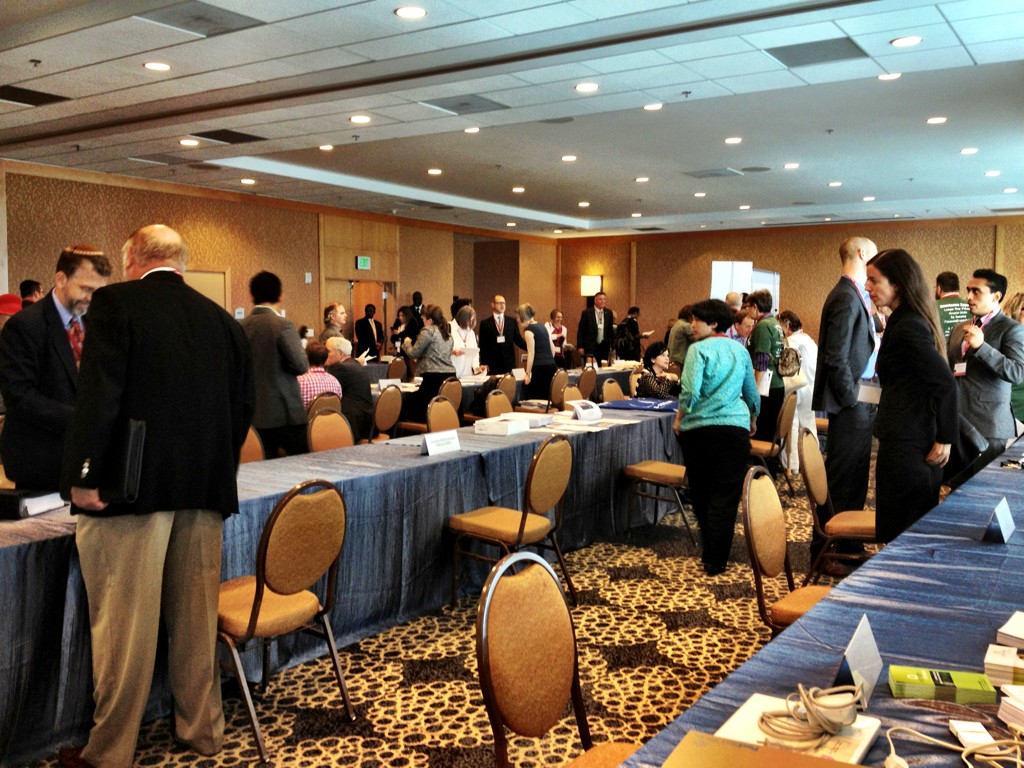
The thirteenth round of negotiations of the TPP began on Monday morning, with stakeholder participation forums at the very beginning of the round. Efforts were made by USTR to accommodate stakeholder requests during a week where scheduling was complicated by a national holiday, but the outcome seemed rushed.
From 11am to 2pm, USTR hosted two types of stakeholder events – a tabling session, where civil society groups set up materials to distribute to the negotiators, and a presentation forum, where people were given ten minutes to present.The presentation forum was split into three tracks; two of which were mainly focused on IP. People found it unfortunate that they were unable attend talks being given by IP groups at the same time (for instance, EFF and Public Knowledge were scheduled at the same time, in separate rooms).
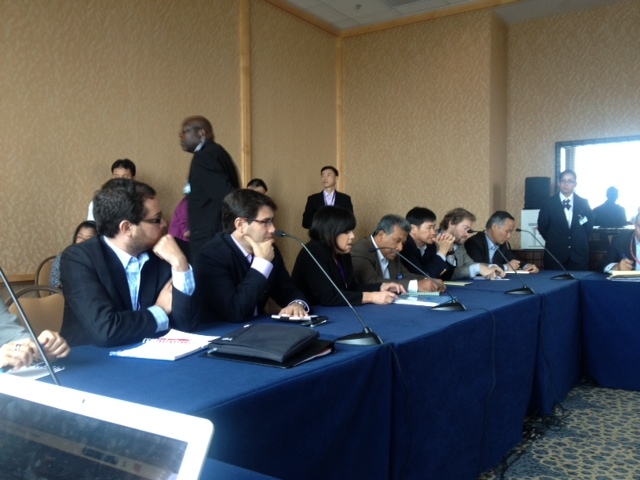
Additionally, the fact that the tabling session and the three tracks of stakeholder presentations coincided with each other – and lasted for less time than in previous rounds – led people to feel that the San Diego stakeholder outreach offered less to civil society than those in previous rounds.
The night before the session, most of the negotiators were unaware that there were going to be presentations. At the tabling session, some of the people who had registered in advance did not have spaces at the tables reserved for them.
On Tuesday, negotiators held the official stakeholder briefing. This is a one hour session in which the chief negotiators give stakeholders an update about what has been going on in each round, and give people a chance to ask questions. Barbara Weisel began by acknowledging that not much work on the negotiations had yet occurred this round, because it had only been going on for one day. She said that the decision to hold the briefing early in the week was made because U.S. stakeholders had asked that it be before the Fourth of July, despite the fact that the round runs from July 2-10.
In their initial statements, Weisel and the other negotiators had little to report on the state of the negotiations. During Q&A, Weisel said that an announcement on limitations and exceptions would be coming out this week (and it did indeed come out, it is online here). She answered a question about the effect of TRIPS plus IP on access to medicines was answered with a response that focused on the need to balance various interests. Chilean chief negotiator Rodrigo Contreras indicated that progress in the IP chapter has been slow, with more progress made on “small details” than on fundamental issues.
Asked about the time and location of the next round, Weisel said it will be in mid September. USTR has not yet confirmed the date, but the APEC summit will “immediately precede” the TPP round.

QUT Media4th November 2025 The United Kingdom Parliament is considering a bill aimed at making smoking obsolete, which has been
Speaking at the Global Expert Network on Copyright User Rights Symposium on 16 June 2025, Professor Christophe Geiger argues for
On 25 September 2025, Professor Wend Wendland, delivered the 14th Peter Jaszi Distinguished Lecture at American University in Washington D.C..
On September 18, 2025, the Italian Senate definitively approved the country’s first comprehensive framework law on artificial intelligence (AI). The
Por Andrés Izquierdo Durante la segunda semana de agosto, fui invitado a hablar en la Feria Internacional del Libro de
By Andrés Izquierdo AI, Copyright, and the Future of Creativity: Notes from the Panama International Book FairDuring the second week