
QUT Professor Endorses UK Push To Create Smokefree Generations
QUT Media4th November 2025 The United Kingdom Parliament is considering a bill aimed at making smoking obsolete, which has been

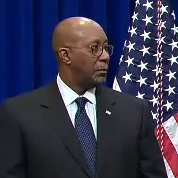 In advance of the XIX International AIDS Conference, U.S. Trade Representative Ron Kirk wrote a blog about the Trans Pacific Partnership and access to medicine. He stresses that his office has received input on IPR issues from “all sides of the issue” and are working hard to find a balance between protecting IPR and ensuring access to medicines.
Without discussing the provisions in the TPP that will delay generic competition (for instance, requiring second use patents, data exclusivity, and linkage), Kirk reasserts USTR’s support for the Doha Declaration:
“We have never wavered in our support for the Doha Declaration on Trade-Related Aspects of Intellectual Property Rights (TRIPS) and Public Health, including affirming that the TRIPS Agreement can and should be interpreted and implemented in a manner supportive of WTO members’ right to protect public health. We have underscored this priority in the TPP, and stated clearly that the ‘TPP countries have agreed to reflect in the text a shared commitment to the Doha Declaration on TRIPS and Public Health’. Furthermore, in the TPP we are seeking to expand U.S. exports of both innovative and generic drugs in a way that drives access to medicines in the developing world while promoting innovation.”
Public health groups, however, have repeatedly pointed out that the intellectual property provisions proposed by the U.S. in leaked text will harm access to medicines. Examples include:
Similarly, Members of Congress have often expressed their concern that TPP will interfere with access to medicines:
In reponse to last week’s blog by Kirk, the Medicines Patent Pool issued a statement saying that “the Pool reiterates the serious concerns it voiced in September 2011 about intellectual property provisions that negatively impact on access to medicines in developing countries such as those reportedly being proposed in the TPP negotiations. These include provisions requiring data exclusivity, linking patent status with medicines regulation, patenting of new uses and new forms of known substances, and the prohibition of pre-grant oppositions, all of which go well beyond the minimum requirements of the TRIPS agreement.”

QUT Media4th November 2025 The United Kingdom Parliament is considering a bill aimed at making smoking obsolete, which has been
Speaking at the Global Expert Network on Copyright User Rights Symposium on 16 June 2025, Professor Christophe Geiger argues for
On 25 September 2025, Professor Wend Wendland, delivered the 14th Peter Jaszi Distinguished Lecture at American University in Washington D.C..
On September 18, 2025, the Italian Senate definitively approved the country’s first comprehensive framework law on artificial intelligence (AI). The
Por Andrés Izquierdo Durante la segunda semana de agosto, fui invitado a hablar en la Feria Internacional del Libro de
By Andrés Izquierdo AI, Copyright, and the Future of Creativity: Notes from the Panama International Book FairDuring the second week