
QUT Professor Endorses UK Push To Create Smokefree Generations
QUT Media4th November 2025 The United Kingdom Parliament is considering a bill aimed at making smoking obsolete, which has been

The nineteenth round of Trans Pacific Partnership negotiations will begin this weekend in Brunei Darussalam. In the last few weeks, legislators and other government officials in some of the TPP countries have raised concerns over the intellectual property provisions.
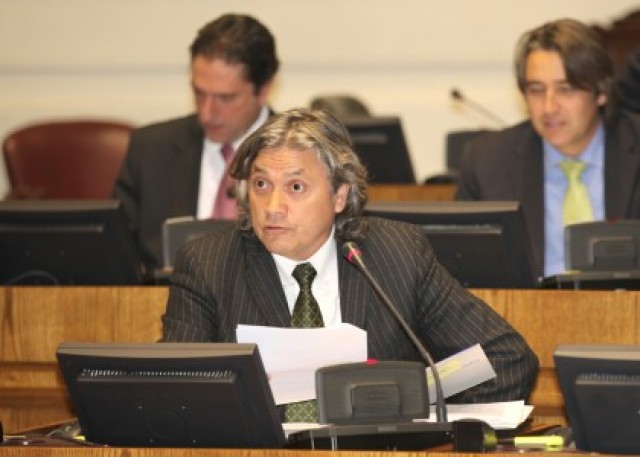
In Chile, Senators Navarro, Gomez and Tuma introduced a proyecto de acuerdo that formally requests an open, public debate on the agreement. As noted in a previous post, the Senators quote the recommendation of former Chilean TPP negotiator Rodrigo Contreras that Chile should “avoid limits on access to knowledge available on the Internet, and not exacerbate the intellectual property protection of downloaded online content. Nor should we accept the over-extension of the term of protection of copyright for books, movies or music that limit their availability in libraries and schools, and that would make them more expensive for lower income people.”
In Malaysia, the Cabinet issued a statement in which it instructed its negotiatiors that “Malaysia should not be bound by any fixed timeline with regard to the TPPA.” On the issue of intellectual property rights, the cabinet said it “is unanimous that Malaysia will not agree to any proposal that will deny access to affordable medicines and healthcare. Cabinet is firm in ensuring access to affordable medicine remains its utmost priority which will not be compromised in the ongoing TPPA negotiations.”
Earlier this month, Malaysian MEP Nurul Izzah Anwar wrote an op-ed warning that higher medicine prices due to stronger patents” could “adversely affect Malaysians.”
In the U.S., eighteen members of Congress signed a letter to U.S. Trade Representative Froman that focused on trade policy and Trade Promotion Authority, but in which they discussed the intellectual property provisions of “all current and future trade agreements and negotiations.” They wrote that “the intellectual property provisions in trade agreements must reflect the interests of all parties… It is important that our trade agreements include strong protections for copyright, but it is equally important that our agreements reflect the other parts of U.S. law that have enabled the Internet to become an unprecedented engine for economic growth creativity and expression.”

QUT Media4th November 2025 The United Kingdom Parliament is considering a bill aimed at making smoking obsolete, which has been
Speaking at the Global Expert Network on Copyright User Rights Symposium on 16 June 2025, Professor Christophe Geiger argues for
On 25 September 2025, Professor Wend Wendland, delivered the 14th Peter Jaszi Distinguished Lecture at American University in Washington D.C..
On September 18, 2025, the Italian Senate definitively approved the country’s first comprehensive framework law on artificial intelligence (AI). The
Por Andrés Izquierdo Durante la segunda semana de agosto, fui invitado a hablar en la Feria Internacional del Libro de
By Andrés Izquierdo AI, Copyright, and the Future of Creativity: Notes from the Panama International Book FairDuring the second week