
QUT Professor Endorses UK Push To Create Smokefree Generations
QUT Media4th November 2025 The United Kingdom Parliament is considering a bill aimed at making smoking obsolete, which has been

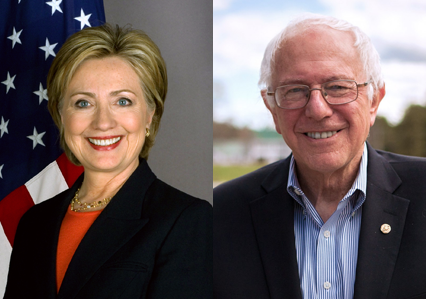 The Pennsylvania Fair Trade Coalition (PFTC) has released questionnaires completed by candidates Sanders and Clinton on their views on the Trans Pacific Partnership. The questionnaires consist of ten questions and allow the candidates to give detailed answers. Topics include intellectual property and medicines, labor, environment, and fast track. Both candidates’ fully completed questionnaires are available in the PFTC press release. Question 4, on intellectual property and access to medicine, and each candidates’ full answer, are reproduced below:
4. Would you support or oppose future trade agreements, including the TPP and TTIP, if they provide drug firms extended monopoly rights — by requiring signatory countries to effectively lengthen patent terms, provide data or marketing exclusivity or broaden the scope of patentability — thereby delaying access to affordable, generic medications?
CLINTON:
As I have said with respect to TPP, we need to make sure we’re not putting the interests of drug companies ahead of patients and consumers. Those provisions in the final TPP agreement are one of the reasons I opposed it. And that same standard holds true for any future trade agreements.
SANDERS:
A major reason why I am leading the fight against the disastrous Trans-Pacific Partnership is because it would significantly increase prices for prescription drugs for some of the most desperate people in the world.
At a time when prescription drug prices are skyrocketing, the TPP would make a bad situation even worse by granting new monopoly rights to big pharmaceutical companies to deny access to lower cost generic drugs to millions of people.
Big pharmaceutical companies are working hard to ensure that the TPP extends the monopolies they have for prescription drugs by extending their patents (which currently can last 20 years or more). This would expand the profits of big drug companies, keep drug prices artificially high, and leave millions of people around the world without access to life saving drugs. Doctors without Borders has stated that “the TPP agreement is on track to become the most harmful trade pact ever for access to medicines in developing countries.”
As president, I will not send any trade deal to Congress that would increase the price of prescription drugs.

QUT Media4th November 2025 The United Kingdom Parliament is considering a bill aimed at making smoking obsolete, which has been
Speaking at the Global Expert Network on Copyright User Rights Symposium on 16 June 2025, Professor Christophe Geiger argues for
On 25 September 2025, Professor Wend Wendland, delivered the 14th Peter Jaszi Distinguished Lecture at American University in Washington D.C..
On September 18, 2025, the Italian Senate definitively approved the country’s first comprehensive framework law on artificial intelligence (AI). The
Por Andrés Izquierdo Durante la segunda semana de agosto, fui invitado a hablar en la Feria Internacional del Libro de
By Andrés Izquierdo AI, Copyright, and the Future of Creativity: Notes from the Panama International Book FairDuring the second week