
QUT Professor Endorses UK Push To Create Smokefree Generations
QUT Media4th November 2025 The United Kingdom Parliament is considering a bill aimed at making smoking obsolete, which has been

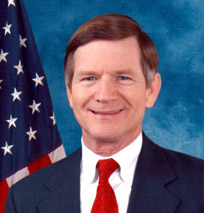 On October 26, Rep. Lamar Smith introduced the Stopping Online Piracy Act (H.R. 3261), also called the Enforcing and Protecting American Rights Against Sites Intent on Theft and Exploitation Act (E-PARASTE Act.) H.R. 3261 is the House version of the Senatory Leahy’s PROTECT-IP Act, which goes after sites that host infringing content by taking down domain names and requiring service providers, including search engines, advertisers, and online payment processors, to stop doing business with them.
The scope of websites that could be affected by H.R. 3621 bill is larger than that of the Senate bill. While the Senate bill applies to sites “dedicated to infringing activities,” the house bill applies to sites that “facilitate” infringement.” A site may be considered to facilitate infringement if (among other reasons) it takes actions to “avoid confirming a high probability of infringement,” – a provision which civil society groups warned may force service providers to monitor websites that contain user generated content.
H.R. 3261 also includes a House version of Sen. Klobuchar’s bill to make unauthorized web streaming of copyrighted content a felony with a possible penalty of up to 5 years in prison.
The House Judiciary Committee will hold a hearing on the bill on November 16.
Comments from Civil Society
Excerpt: SOPA is significantly worse than its Senate cousin. This isn’t just because it uses more expansive definitions or broader language; it makes fundamental changes to who faces liability for copyright infringement.
Excerpt: The bill seems mainly aimed at creating an end-run around the DMCA safe harbors. Instead of complying with the DMCA, a copyright owner may now be able to use these new provisions to effectively shut down a site by cutting off access to its domain name, its search engine hits, its ads, and its other financing, even if the safe harbors would apply.”
Excerpt: Narrowly targeting the true bad actors is one thing. Imposing new costs and risks on anyone providing online communications tools would seriously undermine online innovation and free expression.
News Stories

QUT Media4th November 2025 The United Kingdom Parliament is considering a bill aimed at making smoking obsolete, which has been
Speaking at the Global Expert Network on Copyright User Rights Symposium on 16 June 2025, Professor Christophe Geiger argues for
On 25 September 2025, Professor Wend Wendland, delivered the 14th Peter Jaszi Distinguished Lecture at American University in Washington D.C..
On September 18, 2025, the Italian Senate definitively approved the country’s first comprehensive framework law on artificial intelligence (AI). The
Por Andrés Izquierdo Durante la segunda semana de agosto, fui invitado a hablar en la Feria Internacional del Libro de
By Andrés Izquierdo AI, Copyright, and the Future of Creativity: Notes from the Panama International Book FairDuring the second week